Geological Mapping · mapping-4-38
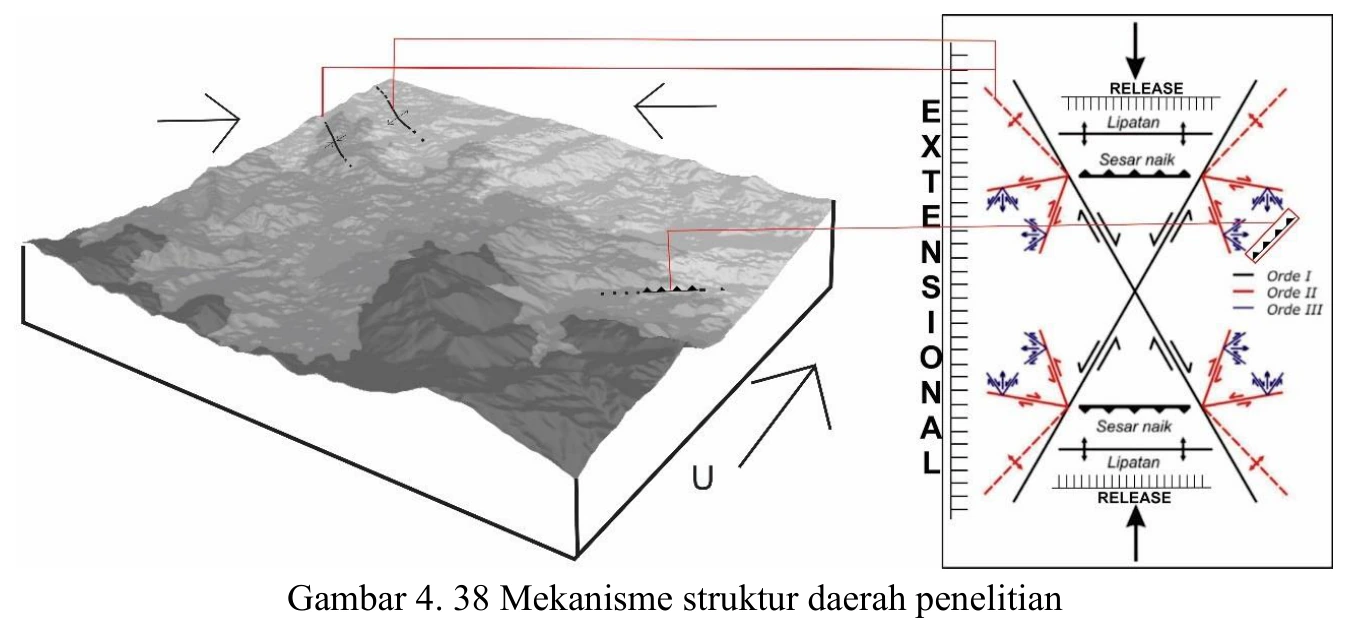
Conceptual structural mechanism
The conceptual structural mechanism explains how folding and faulting might coexist, but it is a causal model rather than a direct observation. Its usefulness depends on explicit predictions: expected fault orientation and slip, fold vergence, strain localisation, bed rotation and cross-cutting relationships.
SOURCE-LED TECHNICAL READING
Geological interpretation and evidential boundary
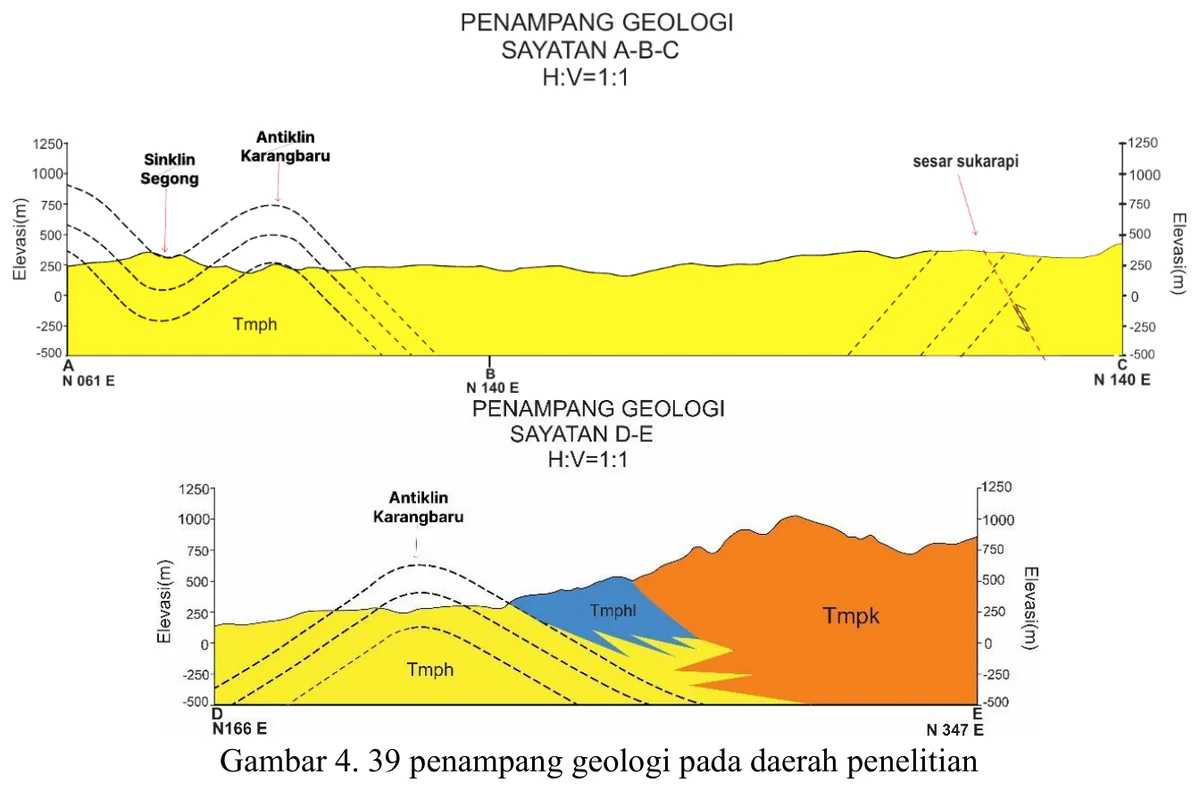
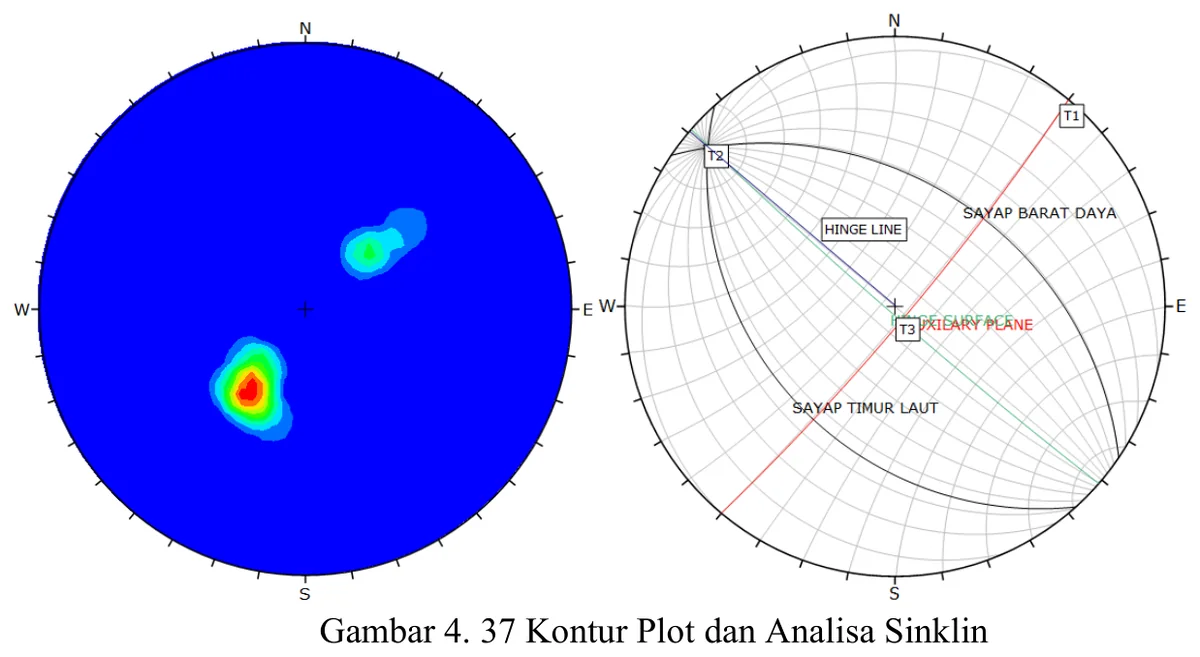
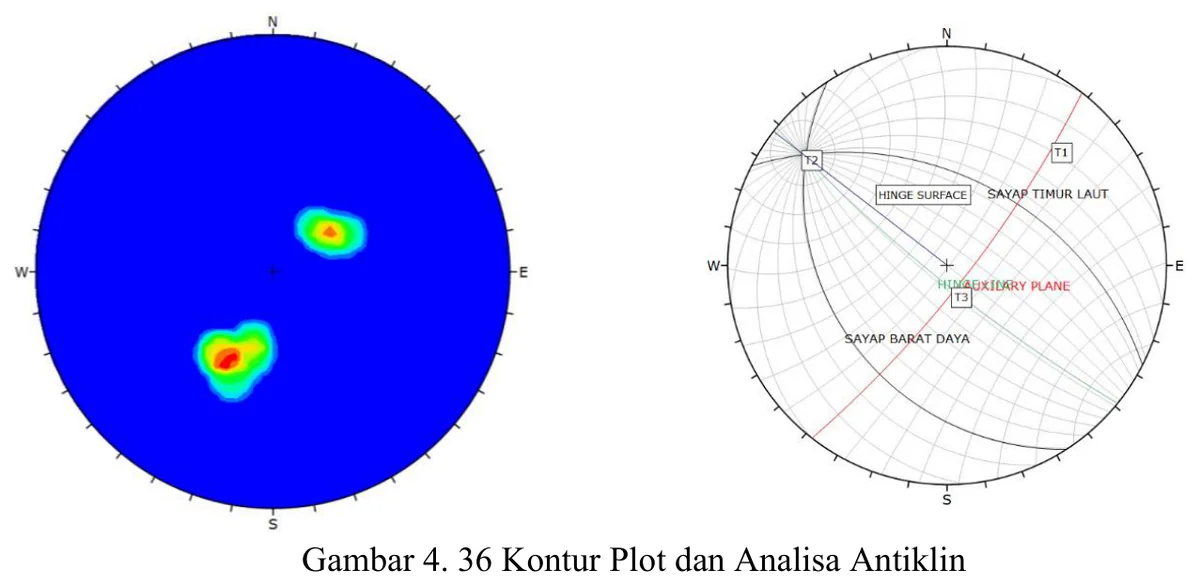
The conceptual structural mechanism explains how folding and faulting might coexist, but it is a causal model rather than a direct observation. Its usefulness depends on explicit predictions: expected fault orientation and slip, fold vergence, strain localisation, bed rotation and cross-cutting relationships. Those predictions should be compared with the Sukarapi fault data, fold-axis solutions, mapped contacts and damage-zone photographs. Multiple tectonic histories—including progressive transpression, reactivation or separate deformation episodes—may produce similar present geometry. The diagram should therefore be labelled as a working mechanism with alternatives and falsification criteria. A compelling synthesis is not the most elaborate story; it is the simplest model that survives independent structural observations.
- Source
- Private mapping source vault · geological evidence record
- Location in source
- PDF page 84
- Image quality
- Standard
- Record ID
- mapping-4-38