Geological Mapping · mapping-4-29
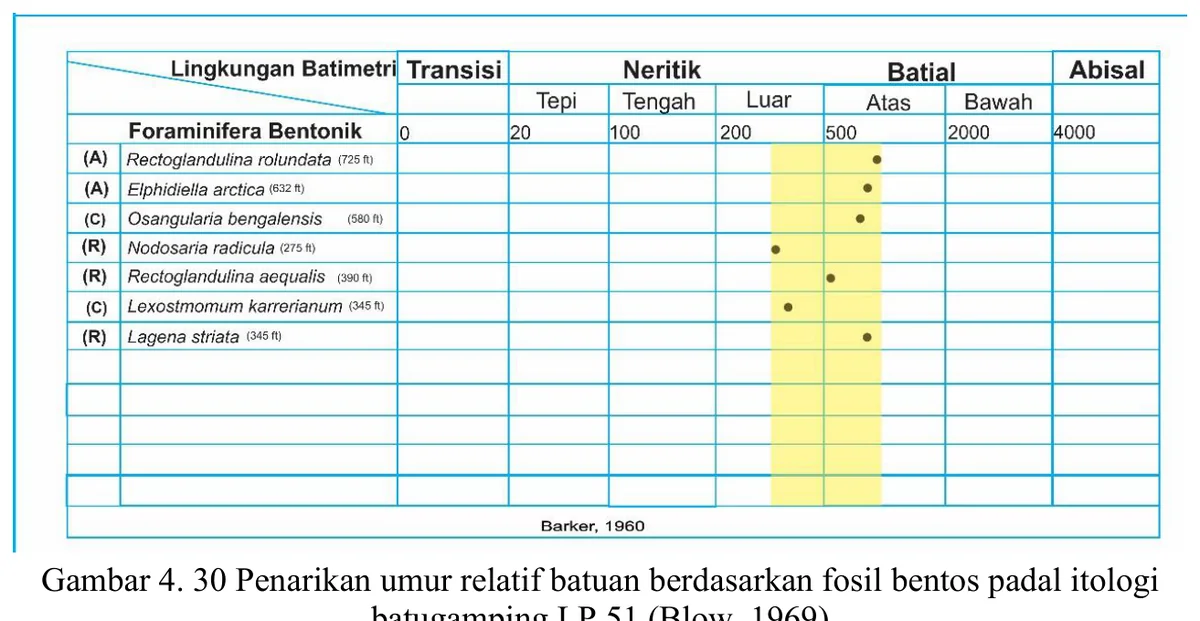
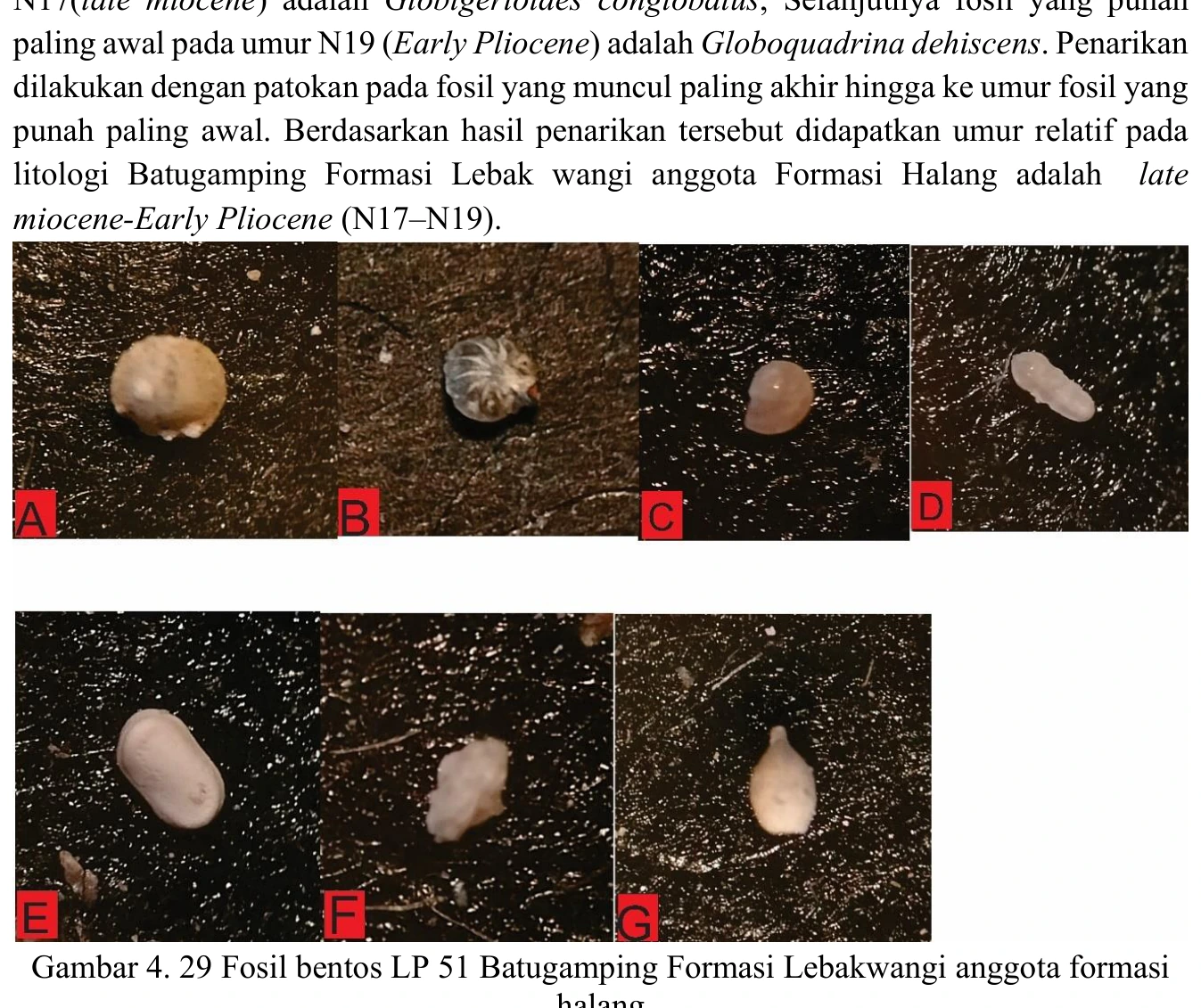
Benthic foraminiferal plate from LP51 limestone
The LP51 benthic assemblage provides environmental context for carbonate deposition, but carbonate-platform, slope and deep-water taxa can coexist through downslope transport. Interpretation should document relative abundance, abrasion, fragmentation, encrustation and matrix association, then separate likely autochthonous from allochthonous components.
SOURCE-LED TECHNICAL READING
Geological interpretation and evidential boundary
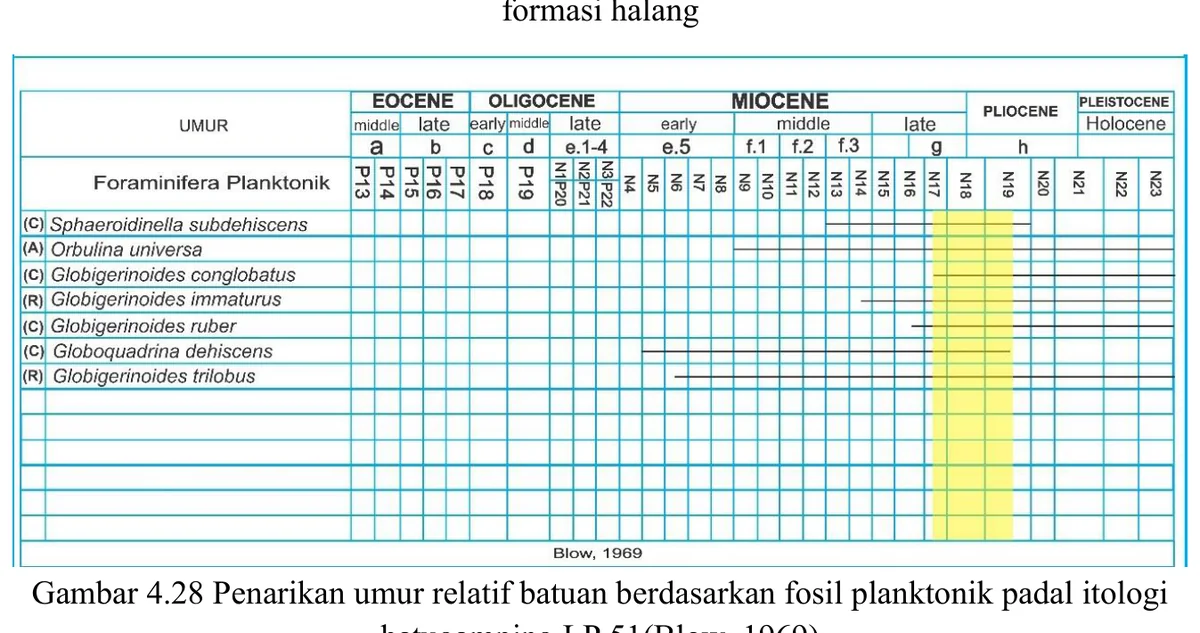
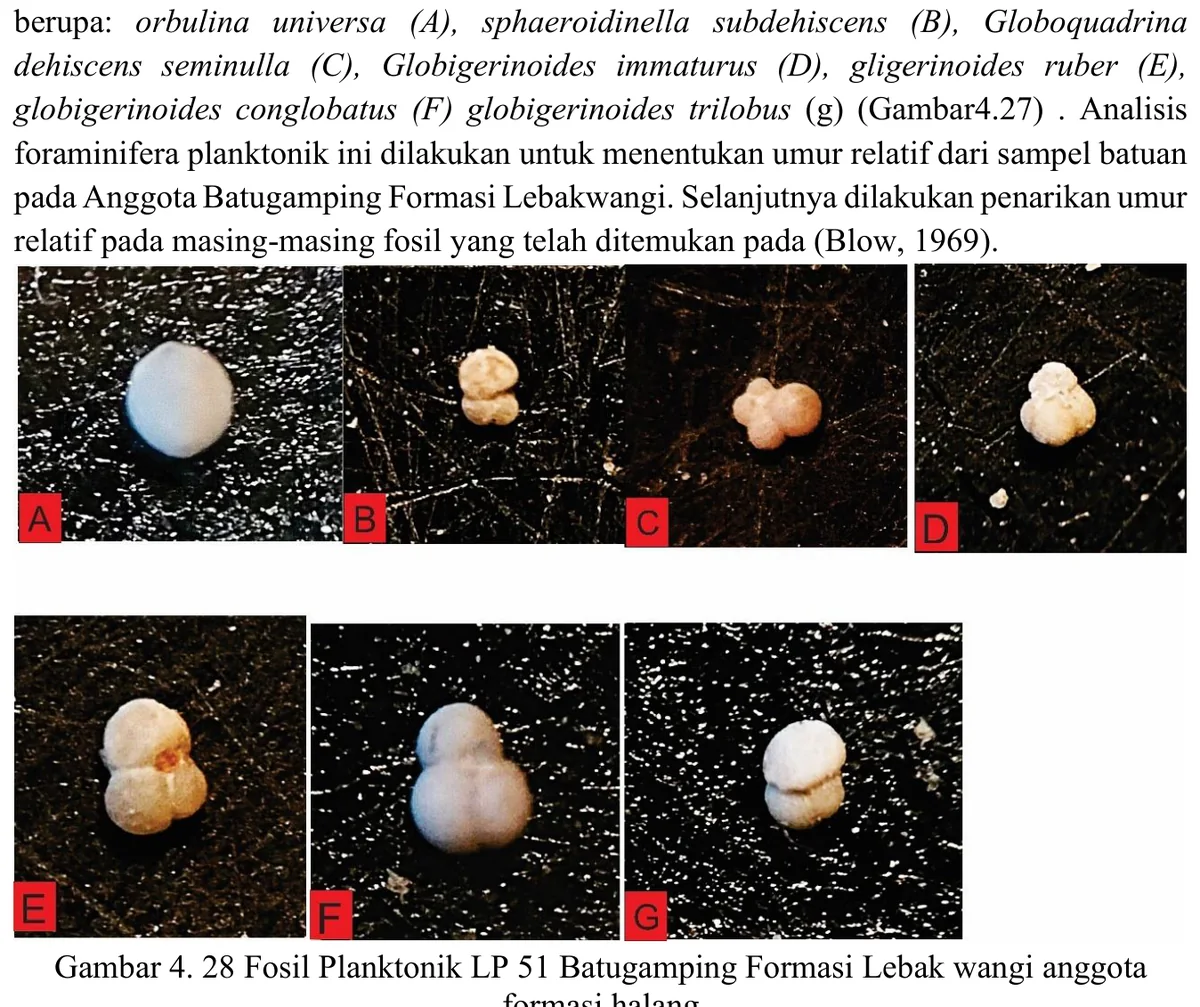
The LP51 benthic assemblage provides environmental context for carbonate deposition, but carbonate-platform, slope and deep-water taxa can coexist through downslope transport. Interpretation should document relative abundance, abrasion, fragmentation, encrustation and matrix association, then separate likely autochthonous from allochthonous components. A depth estimate based only on published endpoint ranges ignores substrate and oxygen controls. The assemblage should instead be compared with wackestone texture and planktonic content: abundant planktonic tests in fine matrix may support an open-marine setting, whereas diverse shallow benthos or transported skeletal debris may indicate platform-derived input. The plate therefore constrains a depositional system only through taphonomic and facies integration.
- Source
- Private mapping source vault · geological evidence record
- Location in source
- PDF page 76
- Image quality
- Standard
- Record ID
- mapping-4-29