Geological Mapping · mapping-4-20
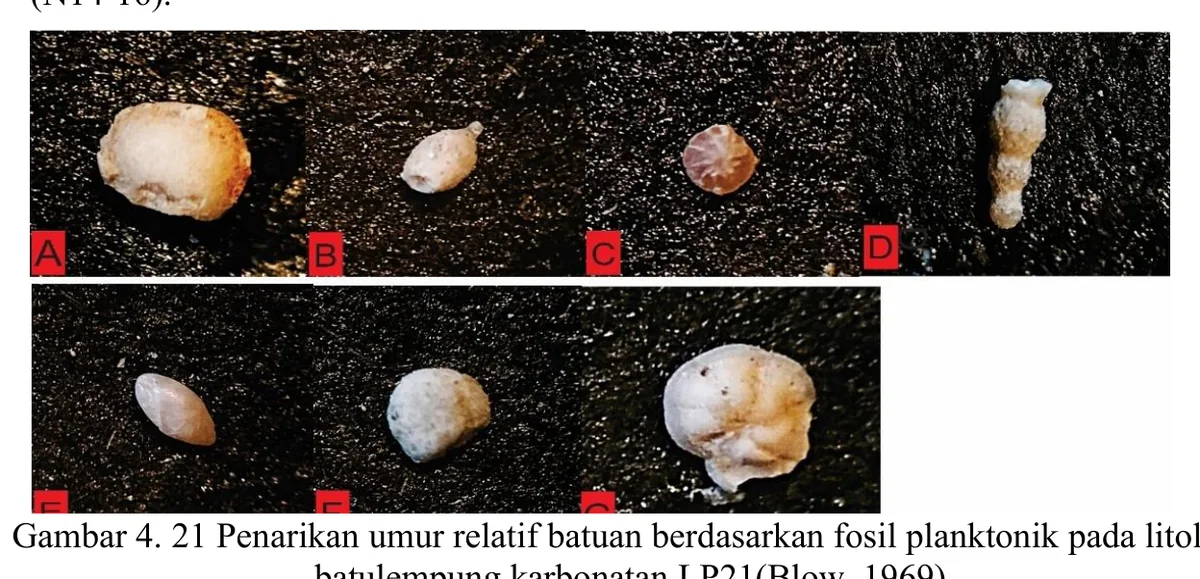
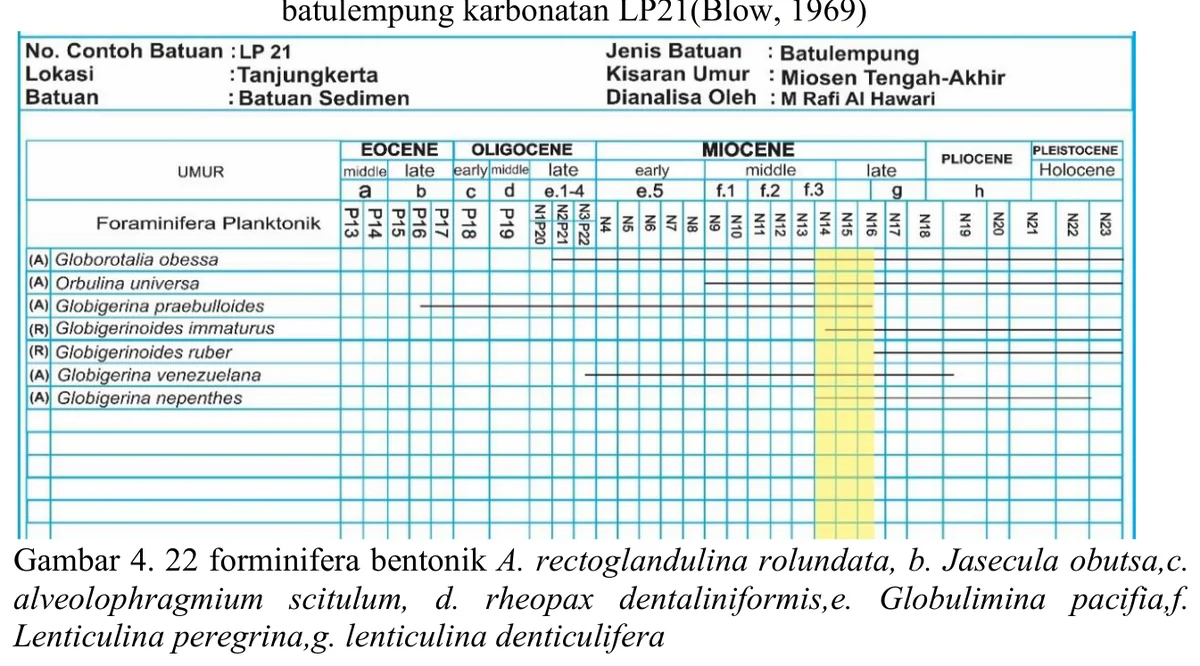
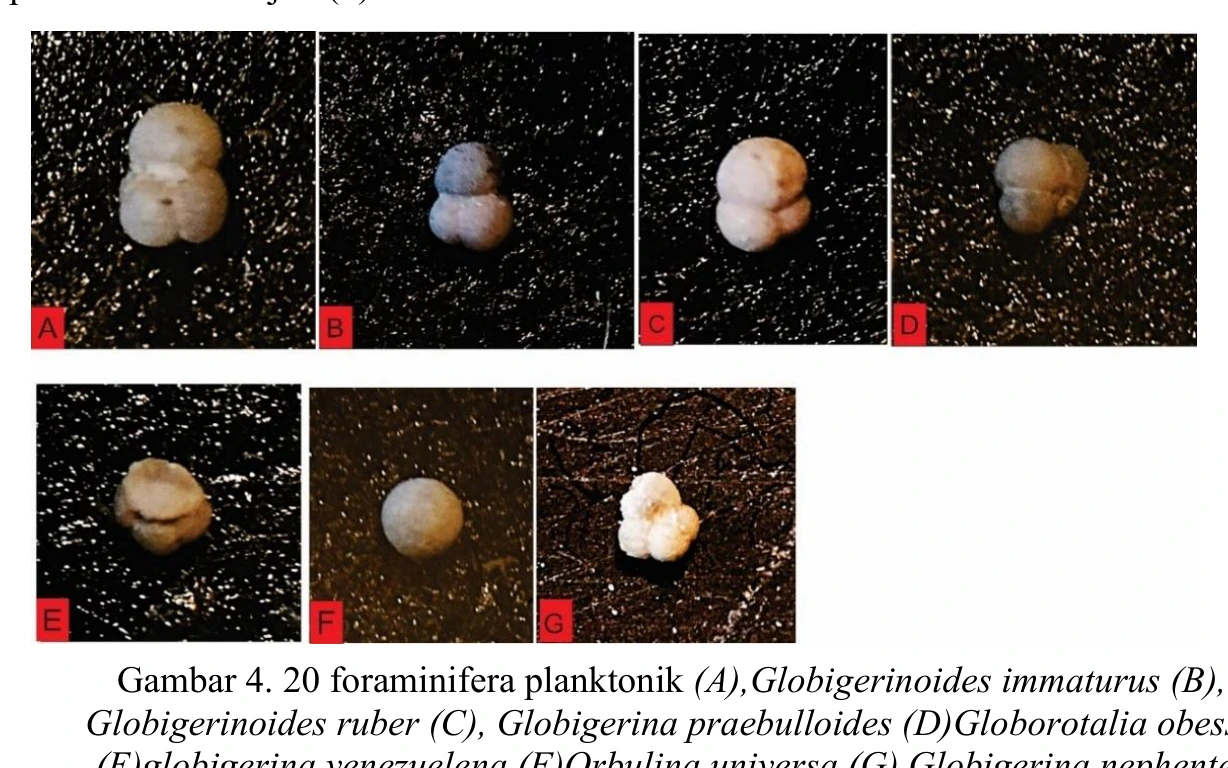
Planktonic foraminiferal plate from claystone
The claystone planktonic assemblage may provide a more nearly depositional age than sandstone-hosted specimens because fine-grained sediment is less likely to contain coarse reworked lag, but reworking and contamination remain possible.
SOURCE-LED TECHNICAL READING
Geological interpretation and evidential boundary
The claystone planktonic assemblage may provide a more nearly depositional age than sandstone-hosted specimens because fine-grained sediment is less likely to contain coarse reworked lag, but reworking and contamination remain possible. Diagnostic morphology, scale, preservation and specimen-specific labels should be documented, with uncertain identifications excluded from zonal boundaries. Comparison with the LP59 sandstone assemblage is especially informative: concordant zones would strengthen formation-scale age control, whereas systematic older ages in sandstone could indicate reworking. The plate should therefore be analysed as part of a stratigraphic sample series rather than in isolation, and the final age statement should preserve the resolution and uncertainty of the least secure controlling datum.
- Source
- Private mapping source vault · geological evidence record
- Location in source
- PDF page 70
- Image quality
- Source scan
- Record ID
- mapping-4-20